Vision: Driving innovation through free open data: Leveraging years of expertise to empower safer, more sustainable future of urban air mobility.

Mission: To democratize access to comprehensive flight taxi research—spanning concepts, feasibility, and crash safety—through free open data.

Our expert team is committed to accelerating innovation in urban air mobility, fostering global collaboration across industries and borders, and shaping the future of safe, sustainable air transportation. By making cutting-edge research openly accessible, we empower progress and drive forward a new era of air mobility.

Pioneering Safe and Scalable Urban Air Mobility

Between 2019 and 2025, an interdisciplinary research consortium investigated the fundamental requirements for integrating air taxis into future mobility systems. The focus lay on Urban Air Mobility (UAM) as a potential solution to urban and regional transport challenges, with research activities targeting the design of eVTOL systems, the development of crash safety methodologies, and the creation of digital tools for structured safety assessment.

The consortium brought together expertise from aerospace engineering, automotive safety, urban planning, human-machine interaction, and digital systems. This diverse knowledge base enabled a comprehensive approach that considered not only technological innovation, but also infrastructure integration, user acceptance, and regulatory alignment.

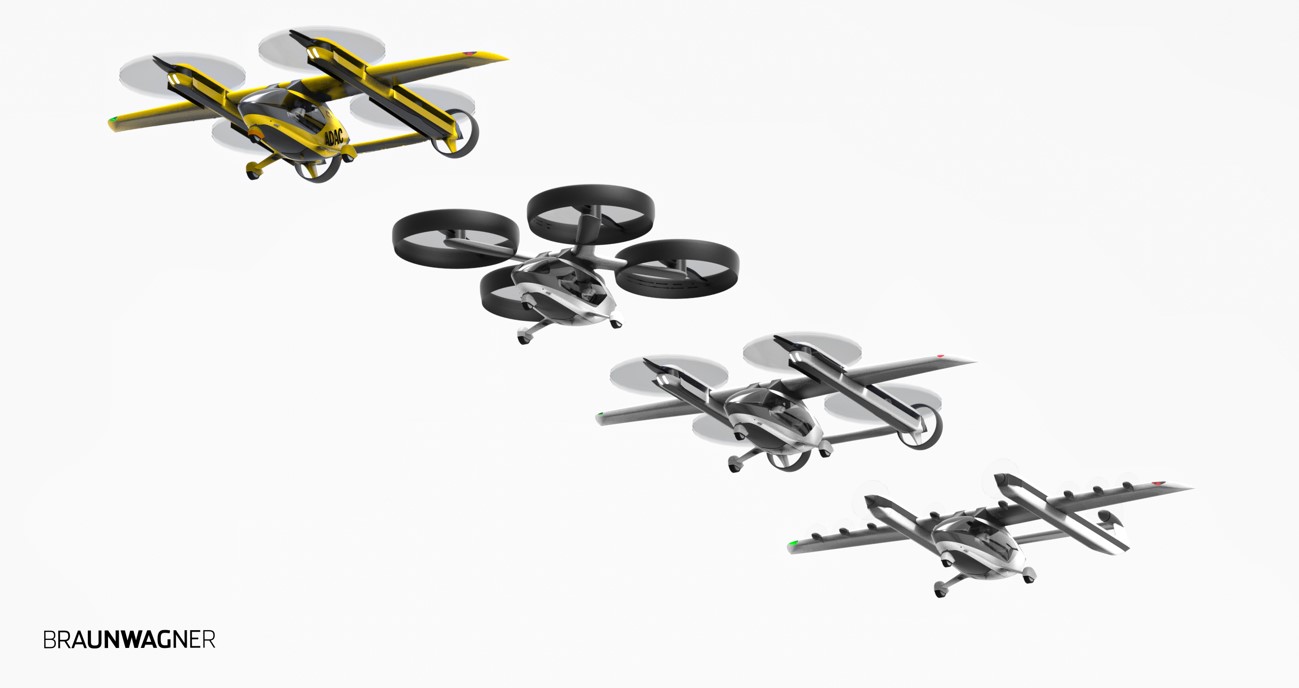
A key result of the research was the development of modular aircraft configurations tailored to transurban and intermodal use cases. These were derived from real-world mobility data and embedded in scalable operational models, taking into account airspace integration, energy efficiency, and infrastructure requirements. Beyond system design, the work provided a deeper understanding of how UAM can be embedded into existing multimodal transport networks.

Another major achievement was the establishment of simulation-based crashworthiness evaluation methods for eVTOL vehicles. With no applicable certification standards in place, the consortium transferred biomechanical principles from the automotive domain to aviation, defining new impact scenarios and safety criteria for vertical flight systems. These methods allow for quantifiable assessment of structural behavior and occupant protection across different flight phases.

All research findings were consolidated into an open, modular digital platform that supports consistent evaluation of safety performance. Designed for use by industry and regulatory bodies alike, the tool contributes to transparent, certifiable development processes and lays the foundation for a future consumer protection framework in UAM.

The result is a forward-looking research contribution that links innovation with practical applicability – helping to shape a safe, scalable, and publicly accepted air mobility ecosystem.

read more 

Deep Tech Air Taxi

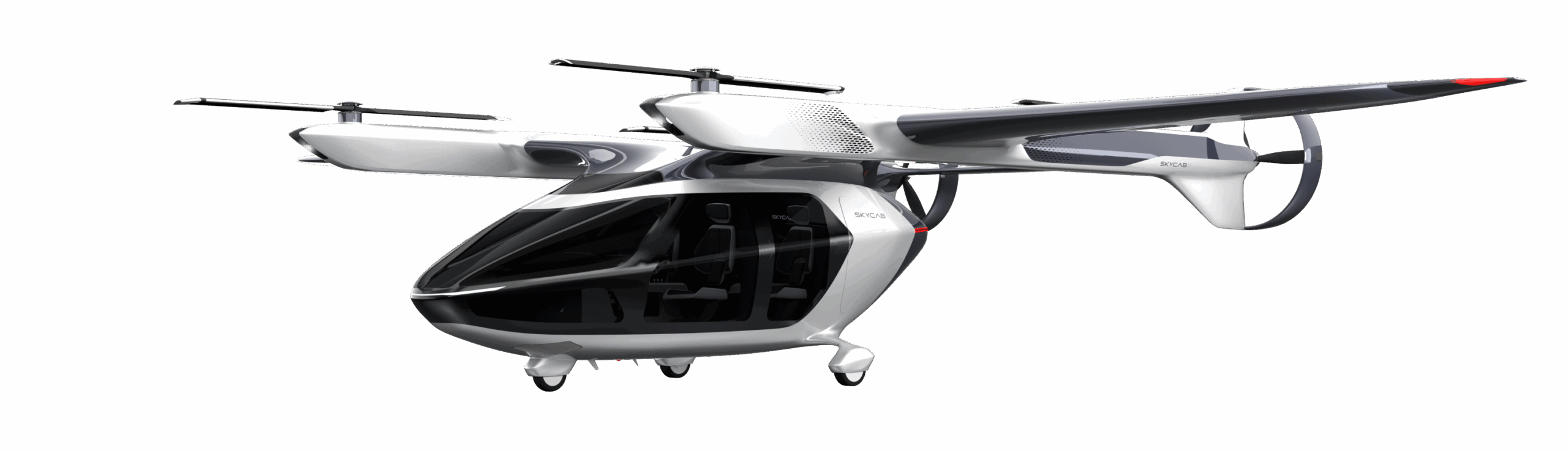
Air Taxi Configuration

To avoid local emissions and enable sustainable urban flight, SkyCab uses a fully electric approach powered by rechargeable batteries. Its vertical take-off and landing (VTOL) capability allows fle…

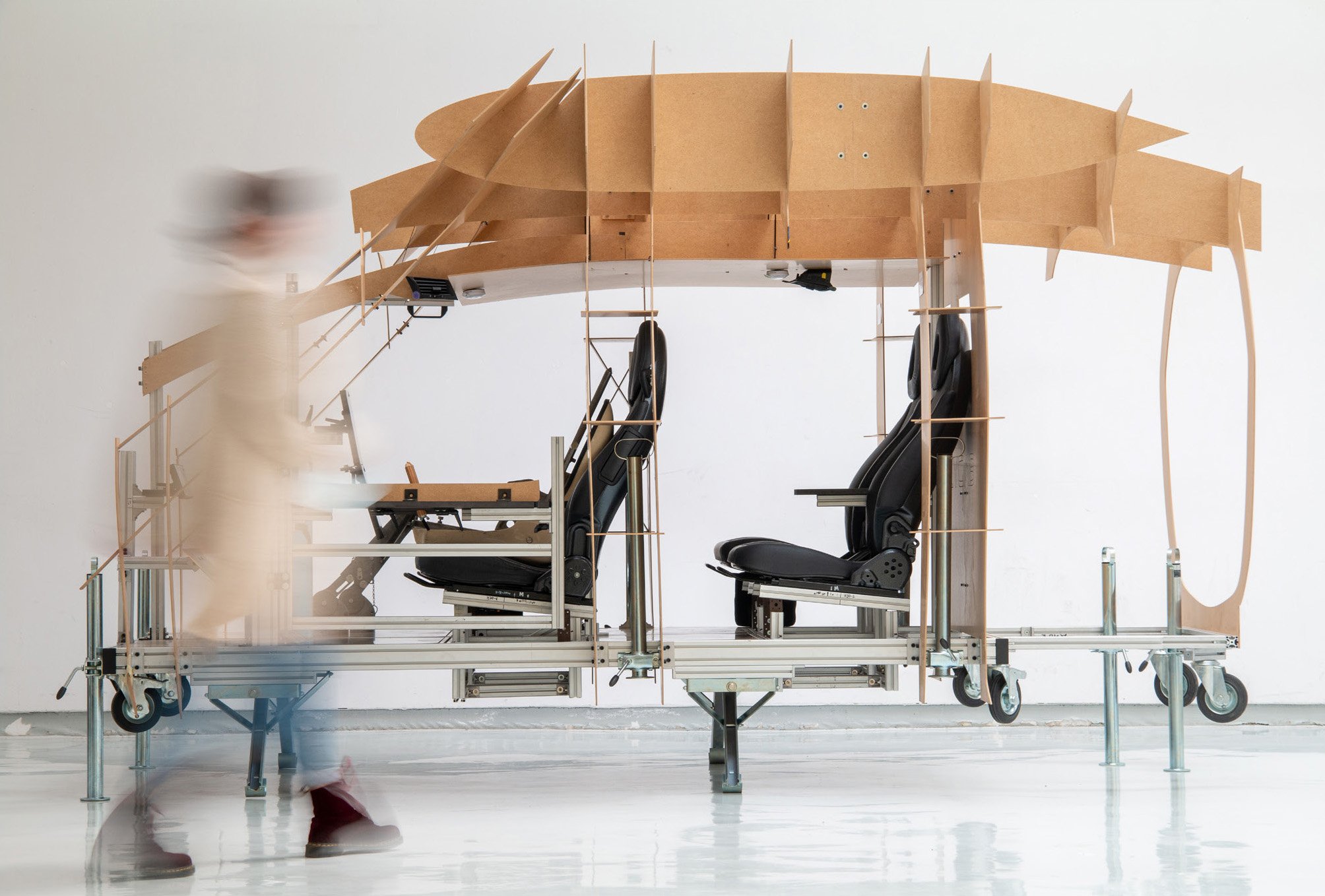
Human-centered design

A wide range of evaluations can be carried out to ensure a human-centered cabin design. Using tools like RAMSIS and a physical Ergo-Buck mock-up, aspects such as entry and exit, seating comfort, vi…

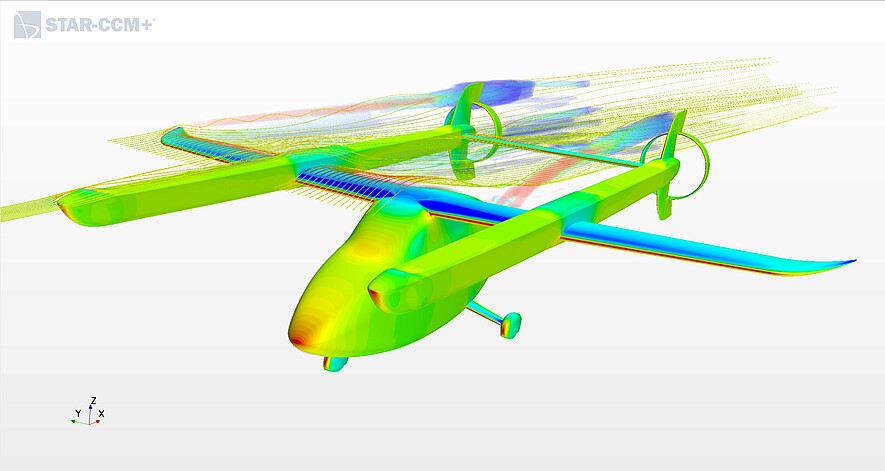
Aerodynamics

During the conceptual design phase, which involved evaluating a wide range of possible configurations, simplified aerodynamic analysis methods were initially applied. Especially in the context of e…

Specification Sheet

In aircraft development, the specification sheet plays a central role by defining all boundary conditions and requirements the system must fulfill. For projects like SkyCab, the specification sheet…

Modular architecture

To maximize economic efficiency while offering a wide range of electric vehicle variants, the automotive industry relies on so-called “skateboard platforms” with interchangeable user modules. A…

Lightweight and structural design

Lightweight construction and structural design play a crucial role in the development of next-generation air mobility vehicles. A human-centered design approach places the passenger at the core of …

Electric drive

Developing an optimal system for electric flight requires addressing multiple challenges simultaneously—such as achieving fault tolerance, high system integration, and maximizing power and energy…

Manufacturing concept

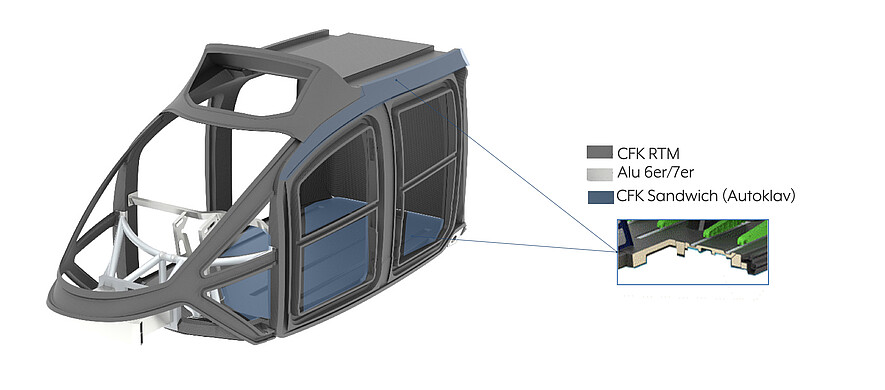
In the development of future air mobility systems, structural design goes hand in hand with production strategy. From the outset, the cabin structure is conceived not only for lightweight performan…

Safety & Crash

Increasing Acceptance

Safety is not just a regulatory requirement in Urban Air Mobility (UAM)—it is the foundation for public acceptance and trust. As air taxis move closer to real-world implementation, one message ha…

Crash scenarios

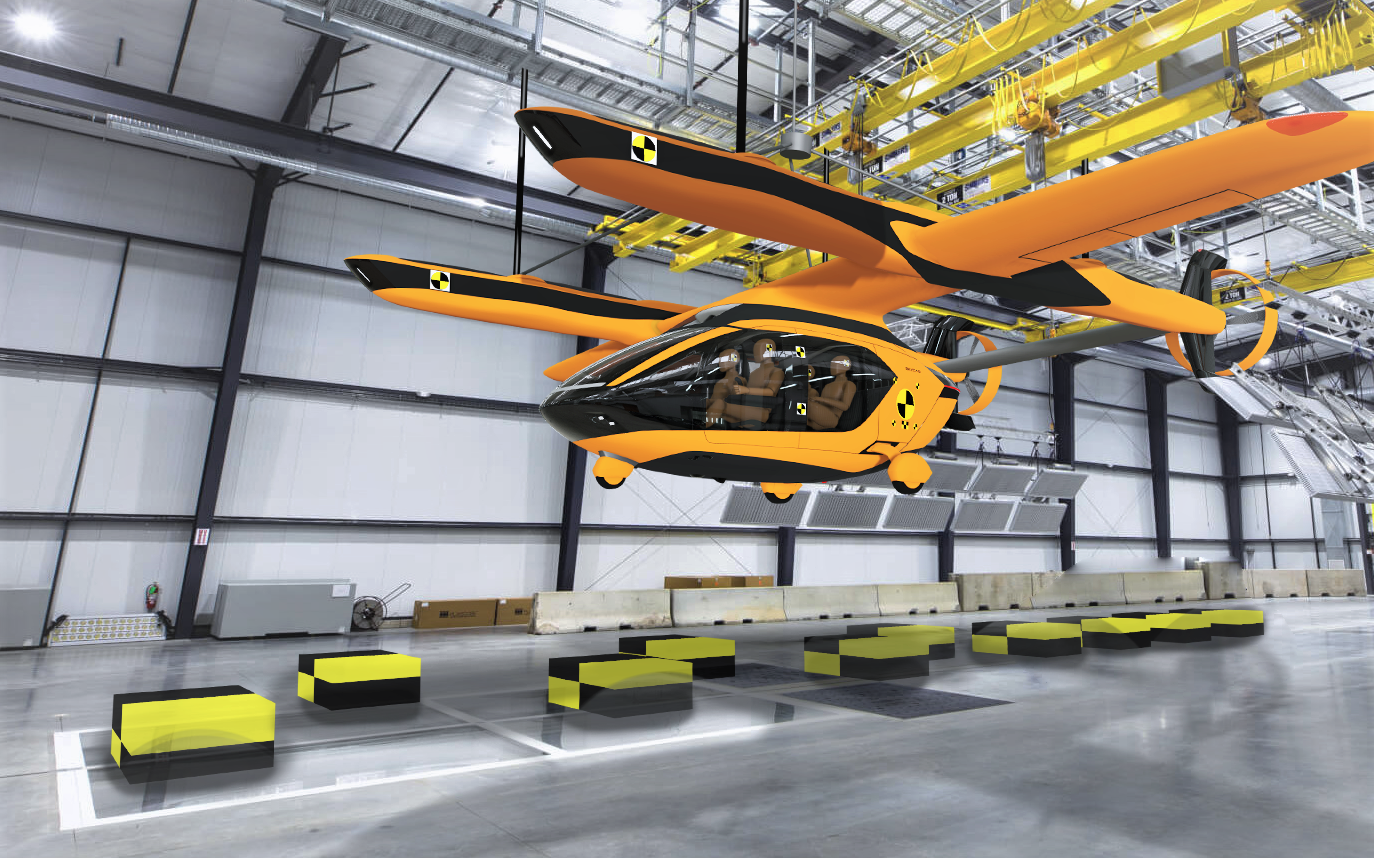
A key component of the safety-driven approach is the early definition of realistic crash scenarios, based on the unique operational characteristics of eVTOLs. Two critical cases include: Vertica…

Consumer protection programme: ATAP

The Air Taxi Assessment Programme (ATAP) aims to ensure the highest aircraft safety standards for future air taxi occupants. The programme rates air taxis’ safety, as Euro NCAP does for cars. …

Design for Crash

Analytical

Analytical crash design refers to the early-stage assessment of potential crash conditions using simplified models and system-level assumptions. It is used to define relevant impact scenarios based…

Multi Body System

Multibody system simulations are a method used to analyze the motion and interaction of multiple connected bodies—such as passengers, seats, and restraints—under dynamic crash conditions. These…

Finite-element method (FEM)

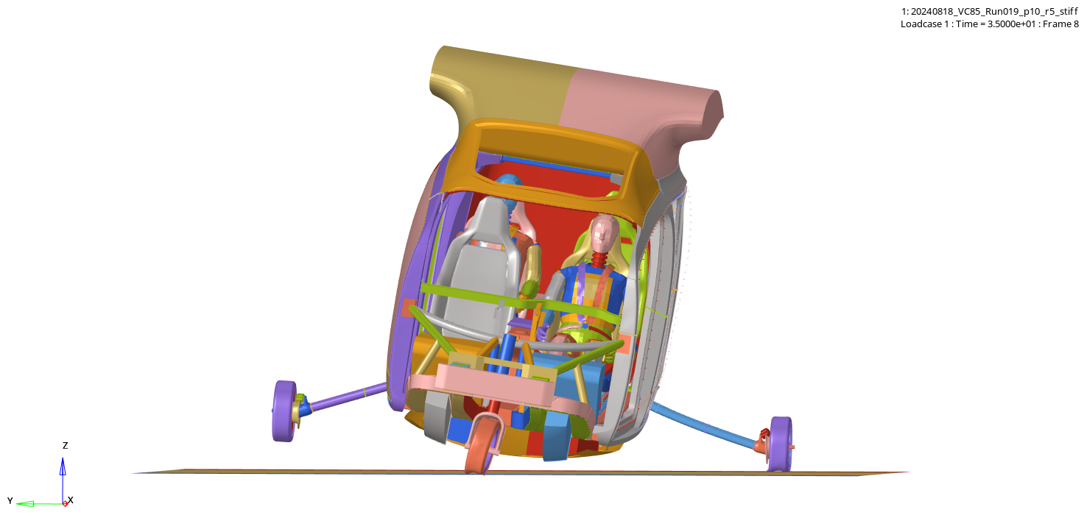
Finite Element Method (FEM) simulation is a numerical technique used to predict how complex structures respond to forces, impacts, and deformations. It divides a structure into small elements and c…

UAM-Mobility & Business

Mobility concept

The successful implementation of urban air mobility solutions, such as air taxis, requires more than just advanced vehicle technology—it demands seamless integration into existing and future tran…

Business model

In the development of innovative mobility concepts like air taxis, the question of economic viability is just as critical as the technical solution itself. Business models serve as a key tool to ev…